
About Paul Cullen
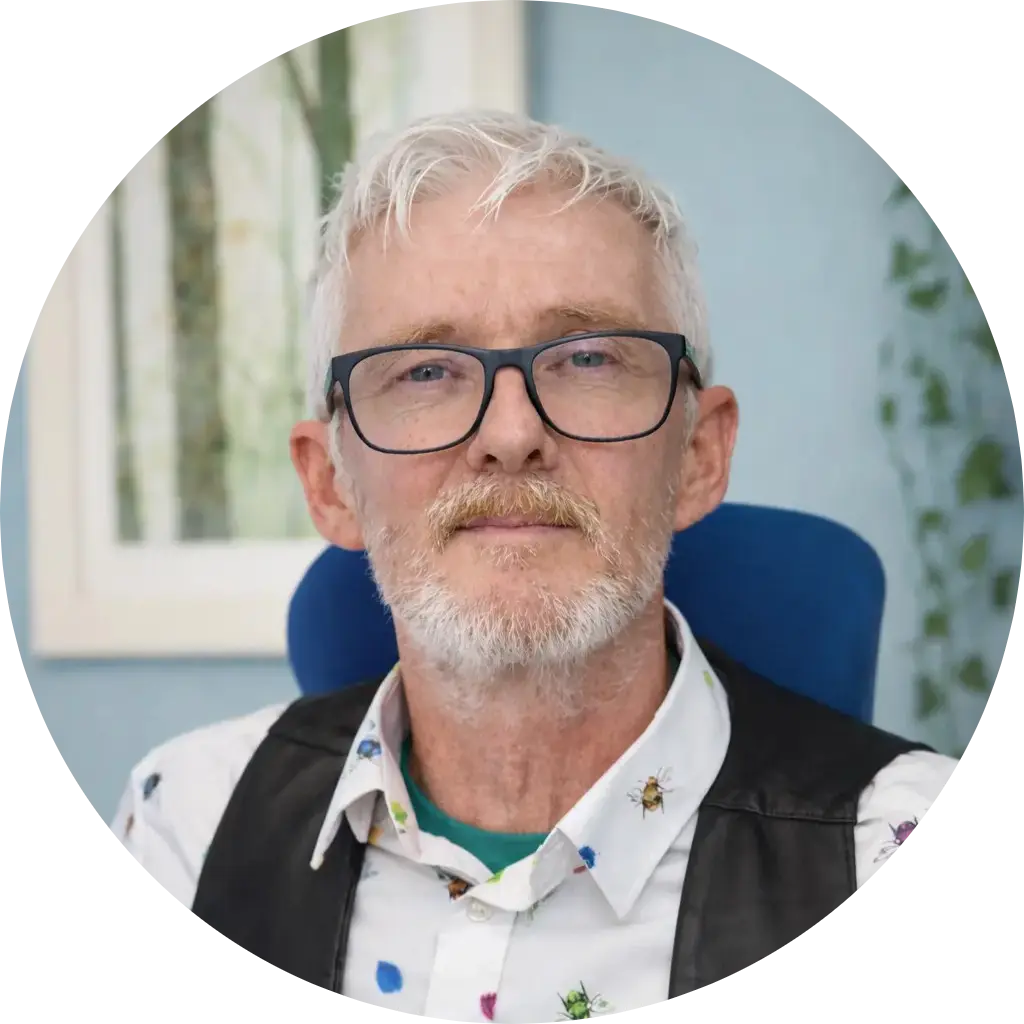
A person-centred, integrative counsellor and clinical supervisor offering online therapy across the UK.
I was very fortunate to find myself in a position where I was offered support, which at the time included some counselling. Before that, I had experienced a number of personal difficulties, including homelessness. Through that support and therapy, I went on to work for an organisation supporting drug and alcohol rehabilitation and homelessness.
Working in the homeless sector, alongside people who had struggled with trauma and addiction, led me to start training as a therapist, initially to develop my own communication skills. Counselling training became a genuine part of my own personal development, and I pursued it through to diploma level, qualifying as a therapist in 2007.
Since then, I've worked across a number of settings, including secondary schools, children and family services, and mental health and wellbeing training, where I gained my initial teaching qualification. This allowed me to continue working within the therapeutic field. Having since qualified as a clinical supervisor, I now teach clinical supervision alongside running my online private practice.
I've continued to develop my own learning throughout my career, shaped directly by the people I've worked alongside, many of them experiencing trauma, navigating neurodivergence, or exploring their own identity. This led me to train in trauma-informed practice, and to complete CPD training and gain a certificate in working with autistic clients. I bring both lived-with and lived-as experience of neurodivergence to my work, alongside a genuine commitment to working competently and safely with members of the LGBTQIA+ community as they navigate their own identity.
Qualifications & Training
- Level 4 Diploma in Integrative Counselling (qualified 2007)
- Level 6 Certificate in Clinical Supervision
- Certificate in Trauma-Informed Practice
- Certificate in Working with Autistic Clients
Professional memberships
- Accredited member of the National Counselling and Psychotherapy Society (NCPS)
- Listed on the Counselling Tutor Supervisors Directory
My Integrative Approach
My person-centred approach to therapy focuses on creating a safe, supportive space where you can feel heard, understood, and respected. I do not simply advise or diagnose; instead, I work alongside you to help you explore your experiences and recognise your own strengths and capacity for change.
I also draw on other approaches, such as cognitive behavioural therapy, when helpful. This can offer practical tools to help you understand patterns of thought and behaviour, and support you in finding new ways forward.
Clinical Supervision
I use the Seven-Eyed Model of supervision, supported by the Integrative Developmental Model, adjusting my approach to the needs of the supervisee. I supervise both trainees and qualified counsellors. I work relationally, believing the most effective supervision is built on trust rather than hierarchy, helping supervisees develop their own internal supervisor. Learn more →
Thinking about counselling?
A free introductory conversation gives us the opportunity to meet, talk about what's bringing you to therapy, and see whether we're the right fit.
© Thirsk Counselling |Online Counselling & Clinical Supervision UK | I am based in North Yorkshire
Privacy, Cookies & GDPR Statements
powered by WebHealer