


Sincerely Yours...
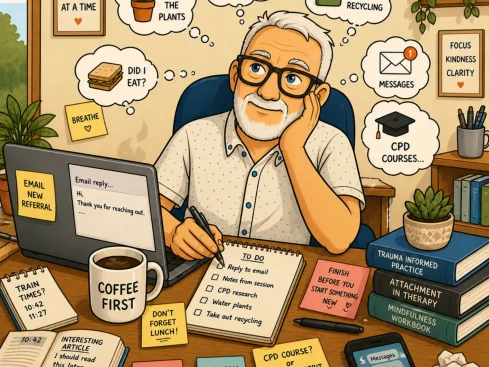
A Busy Mind: The Quiet Chaos of ADHD Interruptions
A practical and reflective exploration of ADHD interruptions in everyday life. This blog highlights how distraction, shifting focus, and unfinished tasks can shape daily experience, while offering gentle strategies and a compassionate perspective to support understanding and wellbeing.

Boys Don’t Cry: Reflections on Growing Up Without Permission to Feel
A personal reflection on growing up in a culture where boys were taught to hide emotion. Exploring masculinity, repression, friendship and healing, this article considers why giving men permission to feel can be life-changing.

Living Fast: ADHD, Counselling, and the Gift of Speed
A reflective account of living with ADHD, from early challenges to adult understanding. This blog explores impulsivity, identity, and how fast thinking can be reframed as a strength within counselling practice and everyday life. Grounded in lived experience, it offers a compassionate perspective on neurodiversity.
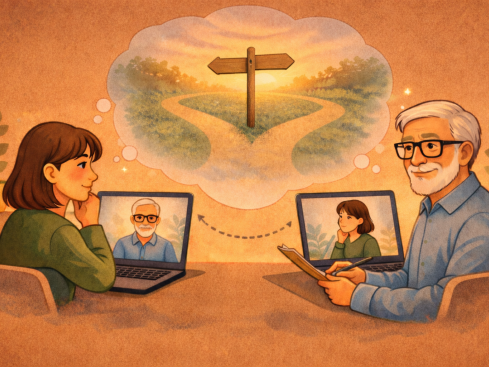
Why Do Counsellors… Talk About Endings?
Why does counselling end? This article explores why therapy has endings, how endings can bring growth, and why a respectful final session can be an important part of the therapeutic process.
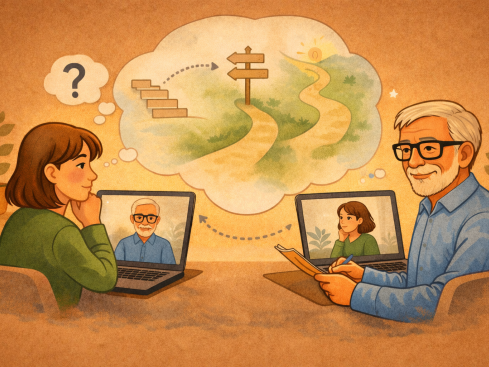
Why Do Counsellors… Not Give Advice
Many people come to counselling looking for answers, but why don’t counsellors give advice? This article explores how therapy supports autonomy, helps you explore your options, and builds confidence in making your own decisions.
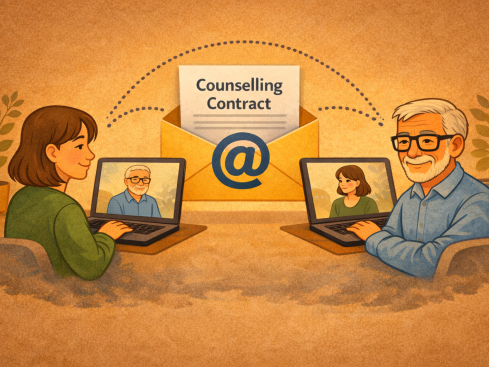
Why Do Counsellors… Use a Contract? Understanding the Counselling Agreement
Starting counselling often involves signing a contract, but what does that actually mean? This article explains why counsellors use contracts, what they include, and how they help create a safe, transparent, and professional therapeutic relationship between counsellor and client.
07394098833
© Thirsk Counselling |Online Counselling & Clinical Supervision UK | I am based in North Yorkshire
Privacy, Cookies & GDPR Statements
powered by WebHealer